The Impact of Color: How Thoughtful Plant Selection Can Transform Your Landscape May 01, 2026
Color in landscaping does more than just add visual appeal. It influences mood, perception, and even the perception of space. For instance, warm colors like reds, yellows, and oranges are known to invigorate and energize. They can make an inviting space feel even warmer, perfect for social gatherings during summer evenings. Conversely, cool colors such as blues, greens, and purples offer a calming effect, making them ideal for creating tranquil, meditative gardens where one can unwind after a long day.
When selecting plants, it's crucial to consider the seasonal changes. A well-planned landscape keeps its charm across all seasons, ensuring that there is always something in bloom or offering color. In spring, vibrant tulips or daffodils signal the end of winter. By summer, lush hydrangeas and daylilies take center stage. Autumn comes alive with the fiery hues of maples and the golden tones of sunflowers, while winter landscapes are brightened by the evergreen foliage of holly bushes and the striking red branches of red twig dogwood.
Understanding the relationship between color and space can help in landscape planning too. Light colors such as soft yellows and whites have the effect of opening up small spaces, making your garden appear larger. Dark colors, however, can add depth to an area and make a large space feel more intimate. Using contrasting colors can also highlight specific areas of your garden, drawing attention to focal points like a beautiful water feature or a unique sculpture.
Texture and form play vital roles as well. Broad-leafed plants contrasted with delicate textures of grasses provide visual interest and depth. Combining different plant forms—from upright to trailing—alongside varied textures creates a dynamic composition that engages the eye.
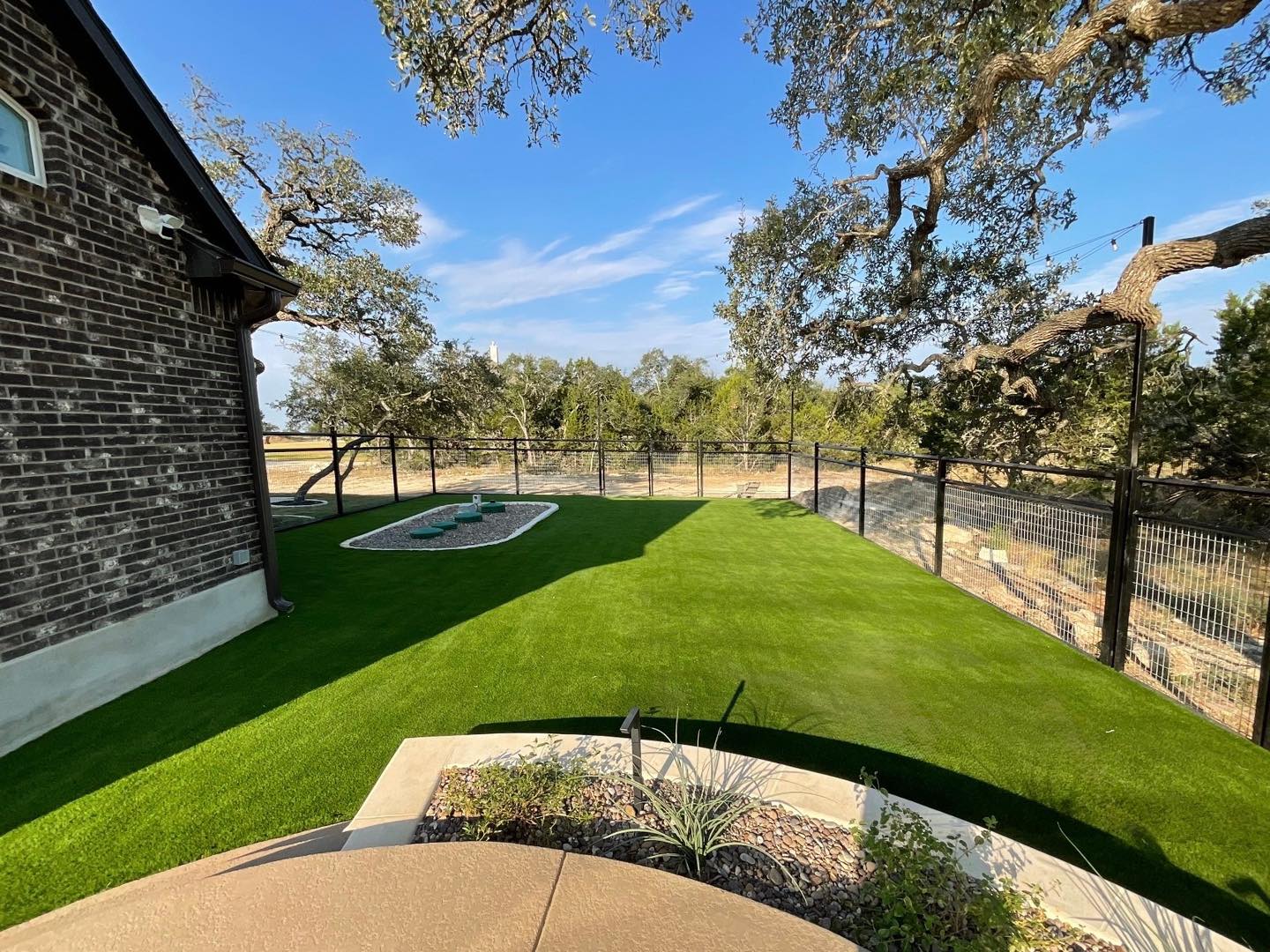
In addition, consider the architectural style of your home. Complementary color schemes can tie the garden to the home seamlessly. For example, a brick home with red tones might be complemented by a garden filled with purples and blues, which will enrich the natural colors of the building material.
Maintaining color through all seasons also demands a bit of planning. Consider using annuals and perennials wisely, ensuring that there is always a series of blooms throughout the year. Ground covers like creeping thyme or ajuga can provide splashes of color while offering practicality by reducing weeds.
At N. B. Fence & Landscape, we guide our clients through the exciting process of choosing the right plant colors to fit both their design aspirations and practical needs. Our expert team considers local climate, soil quality, and sun exposure to recommend the best plants for a thriving, colorful landscape.
Ultimately, color choice in a garden is a matter of personal preference, yet understanding its principles can help transform your garden into a beautiful, engaging space. If you're ready to infuse your landscape with vibrant color and life, contact us at N. B. Fence & Landscape. We're here to help your landscape reach its full potential.
/filters:no_upscale()/filters:format(webp)/media/e63d4e48-a2fb-49e2-80b4-79b0f3d6c69e.jpeg)
/filters:no_upscale()/filters:format(webp)/media/e7ec248b-d4de-46f0-abfa-bff87695926a.jpeg)