How to Choose the Perfect Landscape Design for Your Climate Apr 15, 2026
Understanding Climate and Its Impact
Before diving into design specifics, it's essential to assess your climate. Is it arid, moist, temperate, or tropical? The climate not only dictates which plants will flourish but also influences design elements like water features, shading, and the overall layout of the space. Research your local climate conditions, including seasonal changes, to plan effectively.
Plant Selection for Weather Adaptation
Choosing the right plants for your climate is crucial. Native plants are often the best choice as they are already adapted to the local environment. For arid climates, consider hardy, drought-resistant plants like succulents or cacti. In temperate regions, opt for a mix of perennials and annuals that can cope with the seasonal changes. Tropical climates allow for lush, vibrant plants such as ferns and palms, while a moist climate supports a variety of flowers and vegetables.
Incorporating Hardscape Elements
Hardscape elements such as patios, walkways, and fences play a significant role in your landscape design. In hotter climates, consider materials like stone or concrete that can handle intense sun without deteriorating. Shade structures, pergolas, and canopies can provide relief from direct sunlight, making your outdoor space more enjoyable.
Water Management and Conservation
Water features like ponds or fountains can be a beautiful addition, but they must be managed wisely, especially in drought-prone areas. Rainwater harvesting systems can provide an eco-friendly solution to water your garden effortlessly. Efficient irrigation systems, like drip irrigation, ensure that water is delivered directly to the plant roots, minimizing waste.
Designing for Functionality and Aesthetics
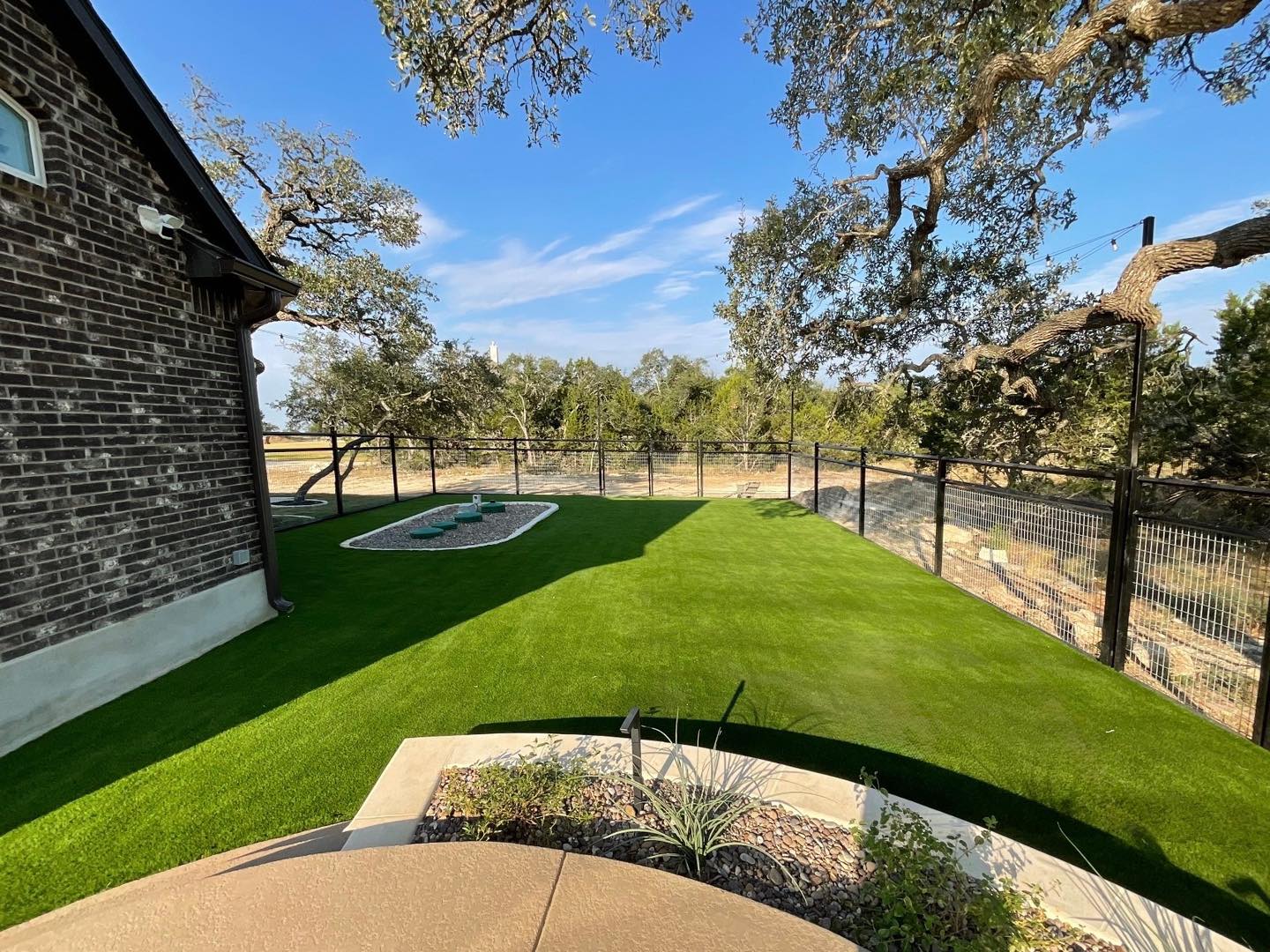
The design should balance beauty with functionality. Consider how you plan to use your outdoor space. Will it primarily be for entertaining, relaxation, or gardening? Incorporate seating areas, dining spaces, or a small vegetable garden accordingly. Paths and stepping stones can create a natural flow through your garden, while fencing not only provides privacy and security but can also serve as a decorative element. N. B. Fence & Landscape offers a range of fencing solutions that complement any landscape design.
Sustainability and Eco-Friendly Practices
Sustainability is becoming increasingly vital in landscape design. Implementing eco-friendly practices not only benefits the environment but can also reduce maintenance costs. Use organic fertilizers, mulch to conserve soil moisture, and opt for solar-powered garden lights. Sustainable landscaping reduces your carbon footprint while maintaining a beautiful garden.
Conclusion
Selecting the ideal landscape design for your climate requires a thoughtful approach, focusing on both the ecological impact and the aesthetic appeal. By assessing your climate, choosing appropriate plants, incorporating suitable hardscapes, and focusing on sustainability, your garden will not only thrive but also offer a functional outdoor living space. N. B. Fence & Landscape is here to assist you every step of the way, ensuring your landscape is both beautiful and resilient. With the right design choices, your garden can become a flourishing extension of your home, perfectly tailored to your local environment.
/filters:no_upscale()/filters:format(webp)/media/e63d4e48-a2fb-49e2-80b4-79b0f3d6c69e.jpeg)
/filters:no_upscale()/filters:format(webp)/media/e7ec248b-d4de-46f0-abfa-bff87695926a.jpeg)